So You Want to Buy a Horse?
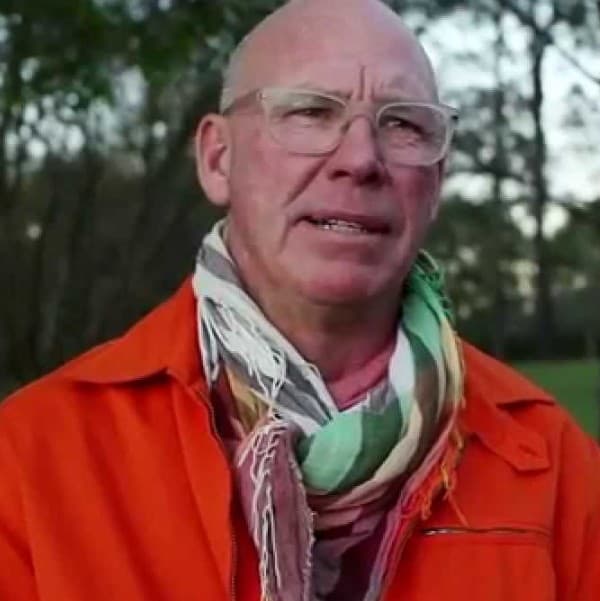
By Roger Fitzhardinge
15 July 2026
Buying a horse is one of the most exciting decisions you'll ever make, but it can also be one of the most expensive mistakes if you don't do your homework first. Fortunately, Horsezone makes the search much easier, allowing you to compare hundreds of horses from across Australia in one place.
Before you even begin looking, sit down with a pen and paper and make a definite list of exactly what you're looking for. It's very much like buying a car—you need to know your requirements before you start shopping.
- The first consideration is your budget. Decide how much you're prepared to spend on purchasing the horse, but don't forget to factor in the ongoing costs of ownership. Agistment, feed, farrier visits, veterinary care, transport, saddlery, insurance and competition expenses can often exceed the initial purchase price over time.
- Next, determine the type of horse you require. Are you looking for a dressage horse, an eventer, a showjumper, a Pony Club all-rounder, a reliable trail-riding horse, a Quarter Horse, a pleasure horse or perhaps a child's first pony? Having a clear purpose will narrow your search considerably.
- The horse's age and level of education are equally important. A talented young horse may have enormous potential, but it generally requires an experienced rider to continue its education. An older horse with years of competition or riding experience can often provide a much safer and more enjoyable partnership for many riders.
- The height of the horse is also important and should be determined by the height and weight of the rider. A pony may be perfectly suitable for a smaller rider, while a taller or heavier rider will need a horse with enough size, strength and substance to comfortably carry them and perform the work required.
- If you're planning to compete, choose a horse with the correct breed, temperament, education and experience for the discipline you intend to pursue. A successful dressage horse will often have very different qualities from a successful eventer or showjumper, so be realistic about your goals from the outset.
- Colour is another consideration, but it should never be the deciding factor. A good horse is a good horse, just as a good car is a good car. Colour may enhance the appearance, but it doesn't improve what's underneath. If you're showing a particular breed, colour or markings may be more relevant, but for performance horses such as dressage horses, eventers or showjumpers, soundness, temperament and ability are far more important.
- Another important decision is whether you want a mare, gelding or stallion. For most riders, stallions are generally not the most appropriate choice, particularly if they're competing regularly or riding in group situations. They require experienced handling and careful management. Mares can make exceptional riding horses and often develop wonderful partnerships with their owners. Some mares may become more sensitive during their seasons, but many never miss a beat. It's also worth remembering that a quality mare has future breeding potential should injury or retirement end her competition career. For many riders, a gelding is the most practical option. They are generally straightforward to manage, easy to travel with and settle well in a wide variety of situations. While every horse is an individual, geldings often provide the dependable temperament many riders are looking for.
- Perhaps the single most important consideration is temperament. The horse's temperament must suit both the job you want it to do and, more importantly, the experience and confidence of the rider. A talented horse with a difficult temperament is rarely the right choice for a novice rider, while an experienced competitor may be looking for a horse with more sensitivity and athletic ability.
Once you've established your criteria, stick to it. If you're shopping for a ute because you need it for work, don't suddenly become distracted by a sports car because it looks exciting. The same principle applies to horses. Don't be tempted by horses that don't fit the criteria you've carefully established simply because they're beautiful or well-priced.
Horsezone makes this process remarkably easy. Its search functions allow you to narrow your search according to discipline, age, height, price, breed, location and many other criteria, meaning you're only looking at horses that genuinely suit your needs.
Finally, think carefully about where your horse will live. Will it be kept at your own property, in a stable, a yard or a paddock? Will it live on its own or with other horses? Will it be a competition horse requiring regular travel, or will it be a pleasure horse that you'll ride occasionally? Will you be able to see and care for it every day? These practical considerations are just as important as choosing the right horse.
Horsezone can make the job of finding your next horse much easier—but only if you know what you're looking for. Going horse shopping with a completely open mind rarely produces the best result. Sit down first, decide exactly what type of horse will suit your needs, your experience, your budget and your ambitions, and then let Horsezone help you find it.
In the next article, we'll discuss how to assess advertisements, the questions you should ask every seller, and why a pre-purchase veterinary examination is one of the best investments you'll ever make before buying your new horse.